A thinning hairline isn’t always a lost hairline. Learning how to stimulate dormant hair follicles along your hairline starts with identifying what may be disrupting growth. Hair-loss treatments, low-level laser therapy, and consistent scalp and nutrition care may support follicles that remain active, but they cannot restore follicles that have been permanently destroyed.
It’s understandable to want a simple remedy, especially when the change is visible around your face. The right approach depends on whether follicles are dormant, miniaturized, or permanently damaged, so identifying the likely cause matters as much as choosing a treatment.
You’ll learn what may support natural hair growth, where laser therapy and other options fit, which signs may point to lasting follicle damage, and how to care for your scalp and hairline while keeping expectations realistic.
Key Takeaways
- Start by understanding whether follicles are dormant, miniaturized, or permanently damaged, since the likely cause shapes the approach.
- Learn how low-level laser therapy may fit alongside other hair-loss treatments and scalp-care habits.
- Explore how balanced nutrition and key food sources can support hair health as part of a consistent routine.
- Recognize signs that may point to lasting follicle damage and when a personalized hair and scalp consultation may help guide next steps.
1. Can I use natural hair regrowth methods with other treatments?
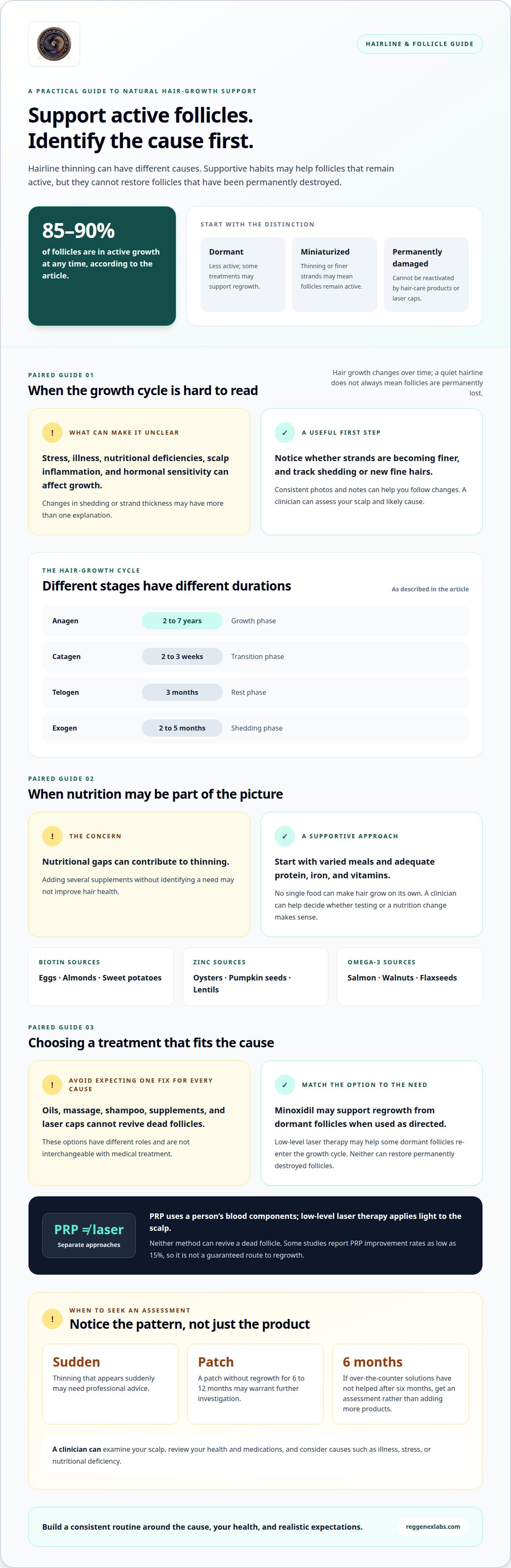
Yes. Gentle scalp massage, balanced meals, and a prescribed treatment can form one routine. Hair follicles move through anagen growth, catagen transition, telogen rest, and exogen shedding. According to the American Academy of Dermatology, the anagen phase lasts 2 to 7 years. Catagen lasts 2 to 3 weeks, telogen lasts 3 months, and exogen shedding lasts 2 to 5 months.
These phases explain why a quiet hairline doesn’t always mean follicles are permanently lost. Around 85 to 90 percent of follicles are in active growth at any time. Stress, illness, nutritional deficiencies, scalp inflammation, and hormonal sensitivity can affect growth. Thinning or finer strands may indicate follicles remain active, while a clinician can assess the scalp and likely cause.
Combine supportive habits thoughtfully. Massage can be a gentle part of scalp care, while laser therapy and medication address hair loss in different ways. A supplement may be relevant if you have a deficiency, but supplements don’t replace identifying the cause. Build your routine around a balanced diet, any prescribed treatment, and consistent scalp care instead of adding several products at once.
In the United States, hairline treatment options depend on the cause of loss, the treatment selected, and the care setting. Finasteride may help limit hair loss or support growth; long-term trials reported benefit for about 90 percent of men taking it. Its risks include possible medication side effects and personal suitability concerns, so discuss these with a prescribing clinician before use.
Track changes with consistent photos and notes about shedding or new fine hairs. Hair growth takes time, so short-term appearance may not reflect what is happening beneath the scalp. If you’re considering a hair transplant, remember that it moves living follicles into areas where follicles have been permanently lost; it doesn’t reactivate dead follicles. A clear diagnosis helps match natural methods with appropriate treatments.
2. Low-level laser therapy
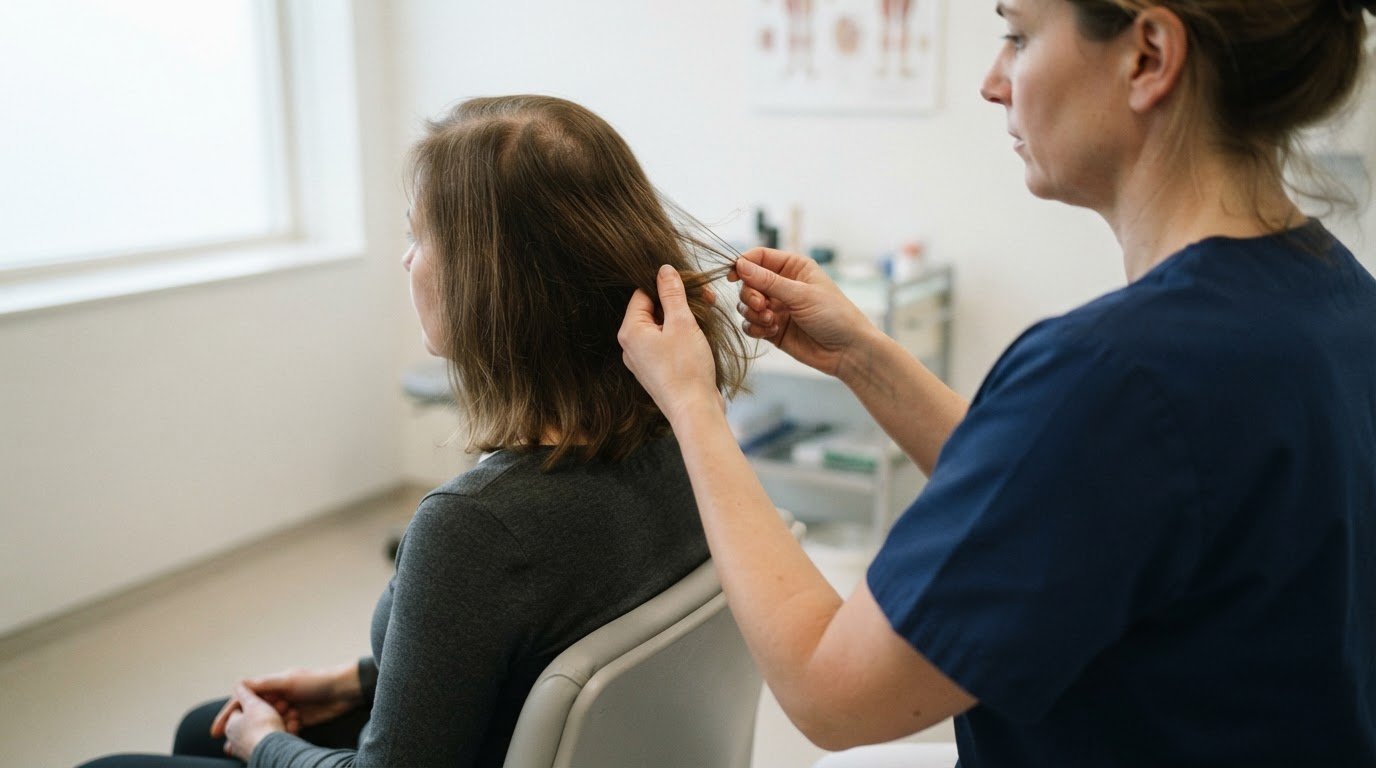
Low-level laser therapy is one option for supporting hair regrowth. It may help some dormant follicles re-enter the growth cycle, but it cannot restore follicles that have been permanently destroyed. Laser caps deliver this treatment at home, but they don’t revive dead follicles. Consider your hairline’s condition before expecting a device to change it. A dermatologist can assess thinning, inflammation, and the pattern of shedding.
Oils and massage have a more limited role. Scalp oils and massage may support scalp care, but they don’t restore hair where follicles are dead. Shampoo, serum, supplements, and laser caps also cannot revive dead follicles. These options may fit into a hair-care routine, but they address different needs. A scalp massager can support gentle massage; it isn’t a substitute for laser therapy or medical treatment.
Platelet-rich plasma (PRP) and low-level laser therapy are separate approaches. PRP uses a person’s blood components, while laser devices apply light to the scalp. Neither method can revive a dead follicle. Some studies report PRP improvement rates as low as 15%, so avoid treating it as a guaranteed route to regrowth. A clinician considers the hair-loss pattern and scalp condition when discussing these options.
Safety depends on the treatment and your health history. Before combining laser therapy with medication, PRP, or another treatment, consult a clinician about suitability and possible interactions. Follow the device or treatment instructions, and don’t apply oils or other products in ways the instructions prohibit. If a treatment causes scalp discomfort or worsening shedding, pause it and seek medical advice. This is especially relevant when alopecia or inflammation is present. For a gentle massage step, explore the scalp massager, while keeping its role distinct from treatments intended to stimulate growth.
3. What stimulates natural hair growth?
A balanced diet with adequate protein, iron, and vitamins supports active hair follicles. Nutritional gaps can contribute to thinning, so focus first on varied meals rather than adding several supplements. Eggs, almonds, and sweet potatoes provide biotin. Oysters, pumpkin seeds, and lentils offer zinc. Salmon, walnuts, and flaxseeds contain omega-3 fatty acids. These foods support overall nutrition, but no single food can make hair grow on its own.
Supplements are most relevant when they address a deficiency or a specific dietary gap. A hair growth supplement isn’t a substitute for identifying the cause of hair loss. Taking nutrients without a demonstrated need may not improve hair health. Consider your usual diet, health conditions, and medications before starting a supplement. A clinician can help determine whether testing or a nutrition change makes sense for you.
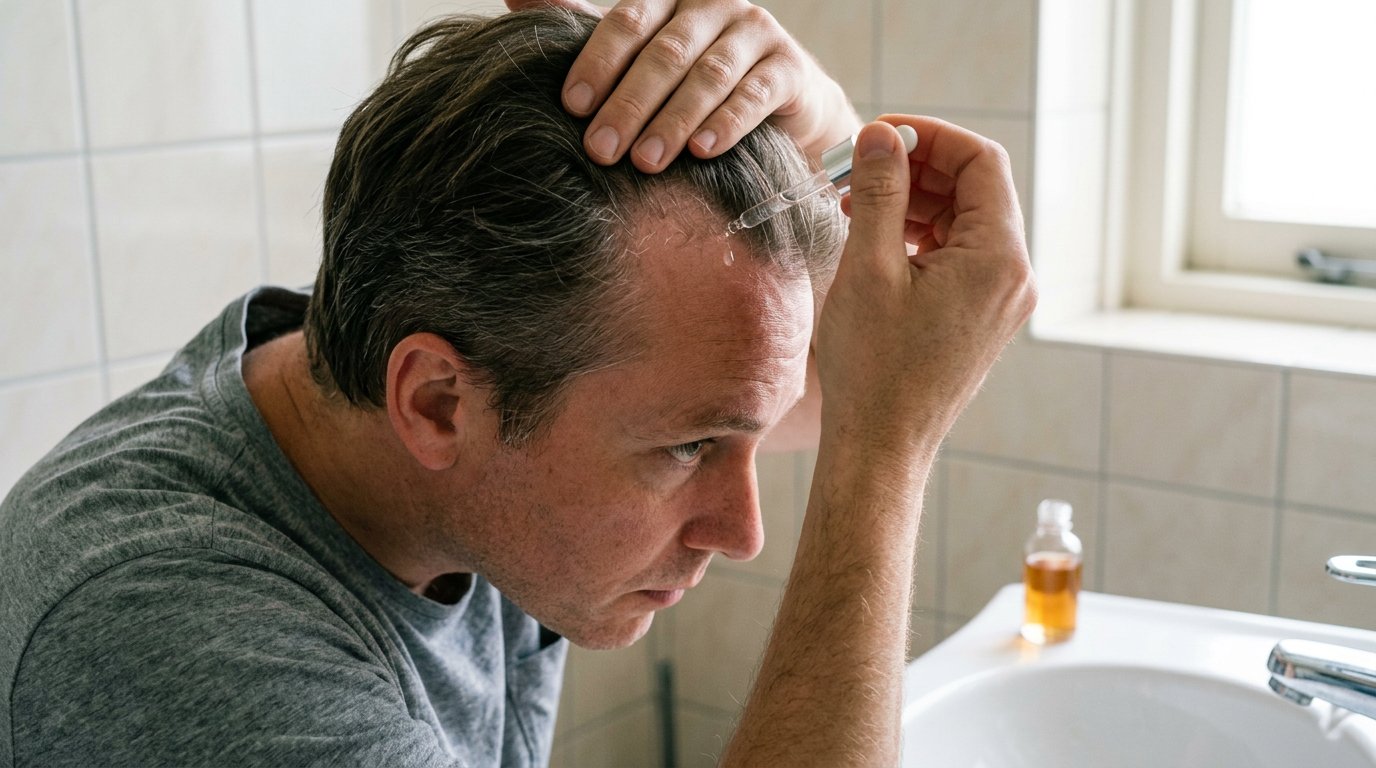
Minoxidil can support regrowth from dormant follicles, including in some cases of hairline thinning. Use it only as directed on the product label or by your healthcare professional, and apply it consistently to the specified area. It may not address every cause, such as a nutritional deficiency or scalp inflammation. For androgenetic alopecia, treatment choices depend on the pattern of loss and your health history.
Seek professional advice when thinning progresses, appears suddenly, or forms a patch. A patch without regrowth for 6 to 12 months may warrant further investigation. If over-the-counter solutions haven’t helped after six months, get an assessment rather than adding more products. A clinician can examine the scalp, review your health and medications, and consider causes such as illness, stress, or nutritional deficiency. That evaluation helps distinguish a nutrition issue from a condition needing targeted therapy, and guides a safer plan for supporting hair growth.
4. Causes of permanent follicle damage
Hair loss can reflect temporary follicle dormancy or permanent structural damage. Dormant follicles may become less active under hormonal sensitivity to DHT, nutritional deficiencies, illness, stress, scalp inflammation, or certain medications. These causes don’t all affect follicles in the same way. A dermatologist can assess the pattern and examine the scalp to distinguish active, miniaturized follicles from possible scarring.
Long-term miniaturization can progressively weaken follicles, while scarring alopecia damages or replaces follicle structures. Injury and advanced, untreated hair loss can also permanently eliminate follicles. In scarring conditions, inflammation may harm the follicle and leave scar-like tissue, limiting regrowth in that area. A supplement or scalp massage may support general hair health, but neither can rebuild a destroyed follicle.
Look at the pattern, not just the amount of shedding. Androgenetic alopecia often causes gradual thinning, while traction alopecia can follow repeated pulling from tight hairstyles. Alopecia areata may appear as distinct patches. Different causes require different medical assessments, so an approach intended to promote hair growth may not suit every type of hair loss.
A smooth, shiny scalp can suggest that follicles have been replaced by scar-like tissue. A bald patch with no regrowth for over a year may also indicate dead follicles. These signs don’t establish a diagnosis on their own, but they make medical evaluation especially relevant. Earlier assessment can help identify inflammation or ongoing traction before further damage occurs.
To prepare for an appointment, note when the change began, whether it is spreading, and any recent illness, medication changes, or hairstyle practices. Bring examples of products or supplements you use. A dermatologist can review these details, assess your scalp, and determine whether follicles appear active or scarred. That distinction matters: treatments that support dormant follicles cannot restore hair where follicle structures have been permanently destroyed.
ReggeneX Labs
ReggeneX Labs helps you turn hairline concerns into a considered care routine. If you’re unsure which steps suit your scalp and hair, the ReggeneX Vitalixir Hair & Scalp Consultation offers a personalized evaluation and routine recommendations.
For ongoing care, you can consider ReggeneX Vitalixir Hair Regrowth Serum alongside ReggeneX Vitalixir Shampoo and ReggeneX Vitalixir Conditioner. These products can fit into a consistent hair-care routine, while a dermatologist can assess persistent or worsening hair loss and determine whether medical treatment is needed. Cosmetic care and clinical assessment have distinct roles.
Start with guidance that reflects your concerns, current routine, and scalp needs. Contact ReggeneX Labs to discuss your hair and scalp care.
Make your next hairline decision with clarity
Hairline changes can feel personal, but your next step can be practical: note what you observe, keep your routine consistent, and seek medical assessment if thinning persists or changes. Knowing how to stimulate dormant hair follicles on the hairline begins with understanding what may be affecting them, rather than adding treatments without a clear plan. That distinction helps you focus care on your needs and avoid expecting a cosmetic routine to address every cause.
Give yourself room to make a considered choice. ReggeneX Labs’ team can help you shape a hair-care routine through personalized guidance, while a healthcare professional can assess ongoing or unexplained hair loss. Routine planning supports daily care; clinical assessment addresses diagnosis and treatment decisions. A thoughtful plan keeps your attention on scalp health, steady habits, and suitable support.
Discuss your hair-care needs and take a confident next step toward a routine that feels manageable.
Frequently Asked Questions
What stimulates natural hair growth?
Hair growth is influenced by overall health, so regular meals and adequate protein are useful foundations. Rather than adding several pills at once, review your usual diet and any restrictions that could leave nutritional gaps. Keep a simple record of meals and changes in your hair or scalp condition. This can give a healthcare professional useful context if thinning continues.
Can Dead Follicles Be Revived?
No. A follicle that has been permanently destroyed cannot produce a new hair shaft. However, a shed hair doesn’t reveal whether its follicle remains capable of growth. Don’t judge follicle status from a single hair or close-up image. Persistent bare areas or changes in scalp texture are better discussed during an in-person scalp assessment.
Can I use natural hair regrowth methods with other treatments?
Often, supportive habits can complement a treatment plan, but introduce changes deliberately. Keep a written list of topical products, supplements, and medicines, then add only one new non-prescription product at a time. This makes reactions easier to identify. Follow instructions for prescribed treatments, and ask your prescriber before combining them with another product applied to the scalp.
Can treatments wake up dormant hair follicles?
Some treatments are intended to support follicles that remain capable of producing hair, but the right option depends on the diagnosis. Before starting, clarify the treatment’s purpose, how to use it, and what changes to monitor. Keep a record of applications and scalp reactions. This helps you follow the plan consistently and share specific observations during follow-up.
How to Restore Hair Follicles in 90 Days?
You can use 90 days to build a consistent care routine and document changes, but the calendar itself doesn’t restore follicles. Choose one tracking method, such as photographs from the same angle, and record noticeable changes in length, coverage, or scalp comfort. Review the record at the end of the period. A clinician can interpret changes alongside your history and examination.
What causes dormant hair follicles and a receding hairline?
The pattern and condition of your scalp offer useful clues, but they don’t confirm a cause on their own. Note whether recession is gradual or sudden, whether it affects both temples, and whether your skin looks irritated or feels uncomfortable. Bring these observations to a medical appointment. A clear timeline can help distinguish a changing hairline from a more sudden scalp problem.