A soothing routine isn’t automatically the right one for your scalp: a scalp care consultation assesses visible buildup, oiliness, dryness, irritation, and hair follicles, then considers sensitivities, current treatments, and other factors that may make a product unsuitable or call for a more careful approach.
If you’re noticing thinning, discomfort, or a change in your scalp, you may want more than a product recommendation based on appearance alone. A considered assessment connects your concerns with your scalp’s needs, helping you choose care and products based on more than a guess.
Learn what an assessment can cover, how its findings inform a routine, and which possible contraindications deserve attention before you begin. This can help you choose a confident next step for your scalp and hair.
Key Takeaways
- A scalp assessment looks at buildup, oiliness, dryness, irritation and hair follicles to build a clearer picture of your scalp’s needs.
- Your current routine, sensitivities and treatment history can shape which products and approaches are suitable for you.
- Possible contraindications matter: share relevant scalp concerns and treatments so recommendations can account for them.
- Personalized guidance can help you choose a practical next step instead of relying on trial and error.
Assessing buildup, sebum, dryness, irritation, and hair follicles
A scalp care consultation examines visible scalp changes alongside your hair-care routine and concerns. It can help distinguish cosmetic guidance from issues that need medical attention.
Buildup and Sebum Assessment
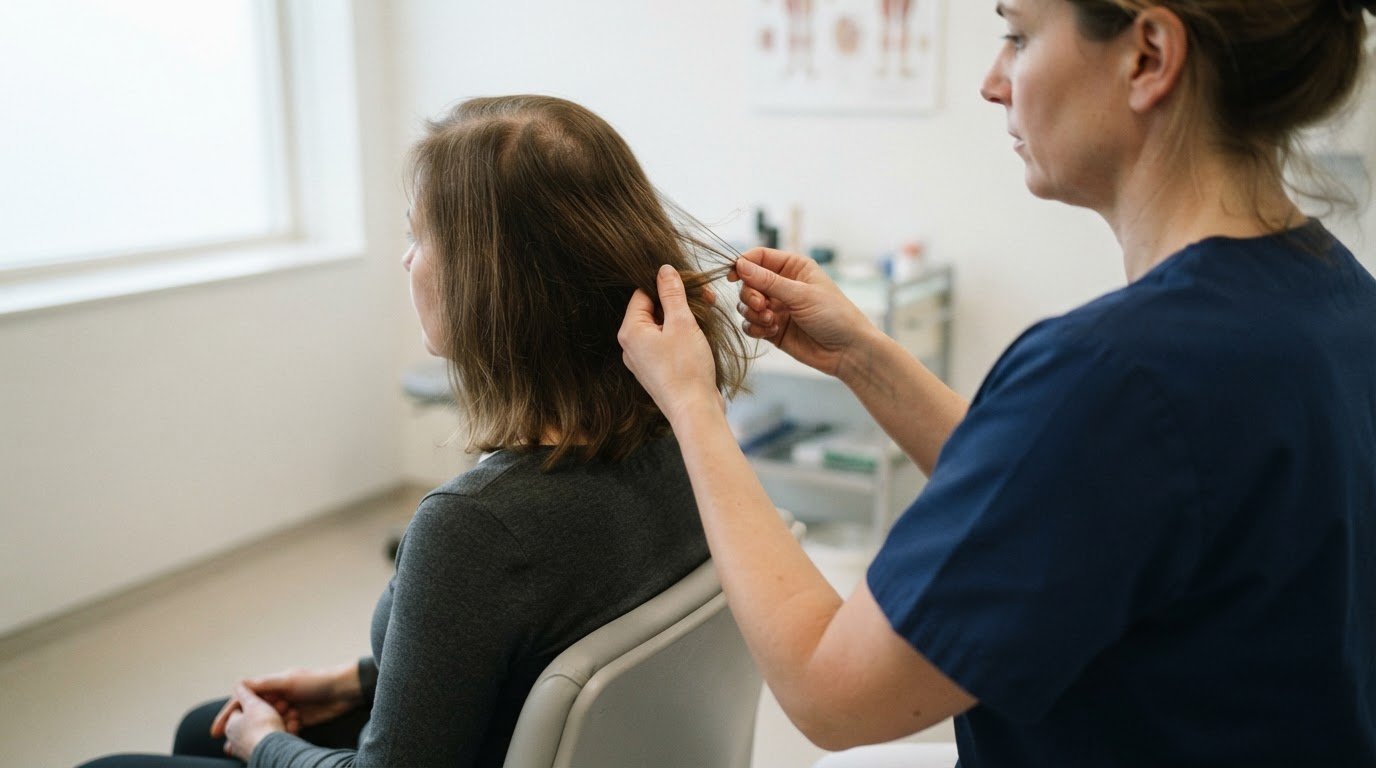
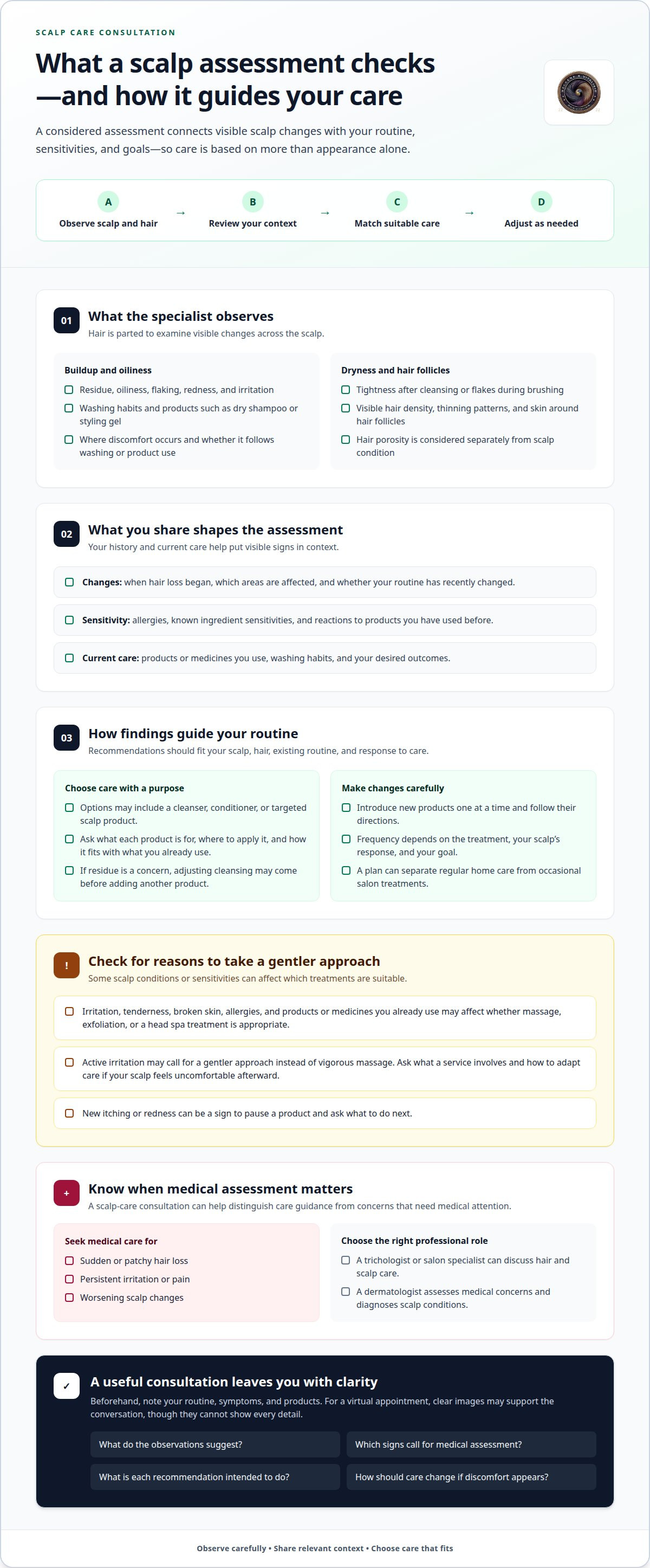
The specialist parts your hair and checks for residue, oiliness, flaking, redness, and irritation. They may ask about washing habits and products, such as dry shampoo or styling gel, to understand what could contribute to visible buildup. Describe where discomfort occurs and whether it follows washing or product use.
For dryness, share whether your scalp feels tight after cleansing or flakes during brushing. Hair porosity describes how readily hair takes in and retains moisture; it is different from scalp condition. For example, advice for dry hair lengths may differ from guidance for an oily scalp.
Hair Follicle and Hair Loss Concerns
The practitioner may observe visible density, thinning patterns, and the skin around hair follicles. Explain when hair loss began, which areas are affected, and whether your routine has recently changed. A trichologist or salon specialist can discuss hair and scalp care, while a dermatologist assesses medical concerns and diagnoses scalp conditions.
Seek medical care for sudden or patchy hair loss, persistent irritation, pain, or worsening scalp changes. A virtual hair appointment can help you discuss your concerns; clear images may support the conversation, though they cannot show every detail. Beforehand, note your routine, symptoms, and products. Ask what the observations suggest and which signs call for medical assessment.
Insurance coverage depends on your plan and whether the appointment is considered medical or cosmetic care. Choose a qualified specialist whose professional role fits your concern and who has relevant training in hair and scalp care.
Personalizing scalp treatments and product selection
A personalized plan connects your scalp findings with your goals, current routine, and product sensitivities. During a scalp care consultation, the practitioner can explain which options suit your needs and which call for caution.
Treatment Contraindications
Before recommending care, the practitioner reviews scalp irritation, tenderness, broken skin, allergies, and products or medicines you already use. These details can affect whether massage, exfoliation, or a head spa treatment is appropriate.
For example, active irritation may call for a gentler approach instead of vigorous massage. Share known sensitivities and describe reactions to past products so the plan can avoid ingredients or steps that have caused discomfort.
Recommended Treatment Frequency
Frequency depends on the treatment, your scalp’s response, and the goal of your routine. A practitioner can distinguish regular home care from occasional salon treatments, then adjust the plan if dryness, oiliness, or sensitivity changes.
After a head spa session, follow the practitioner’s home-care steps for cleansing and styling. Avoid adding several new products at once; introducing one change at a time makes it easier to notice irritation or other reactions.
Consultation Process
The consultation reviews your concerns, routine, and desired outcomes, then matches them with suitable care. If you’re considering a head spa, ask what each step involves, such as cleansing, scalp massage, rinsing, and conditioning. The session’s duration depends on the service and steps selected.
Afterward, recommendations may cover at-home cleansing, gentle handling, and when to reassess your routine. Ask how to adapt your care if your scalp feels uncomfortable after a treatment.
For tailored routine guidance, consider a ReggeneX Vitalixir Hair & Scalp Consultation to discuss your scalp needs and next steps.
Personalized product recommendations
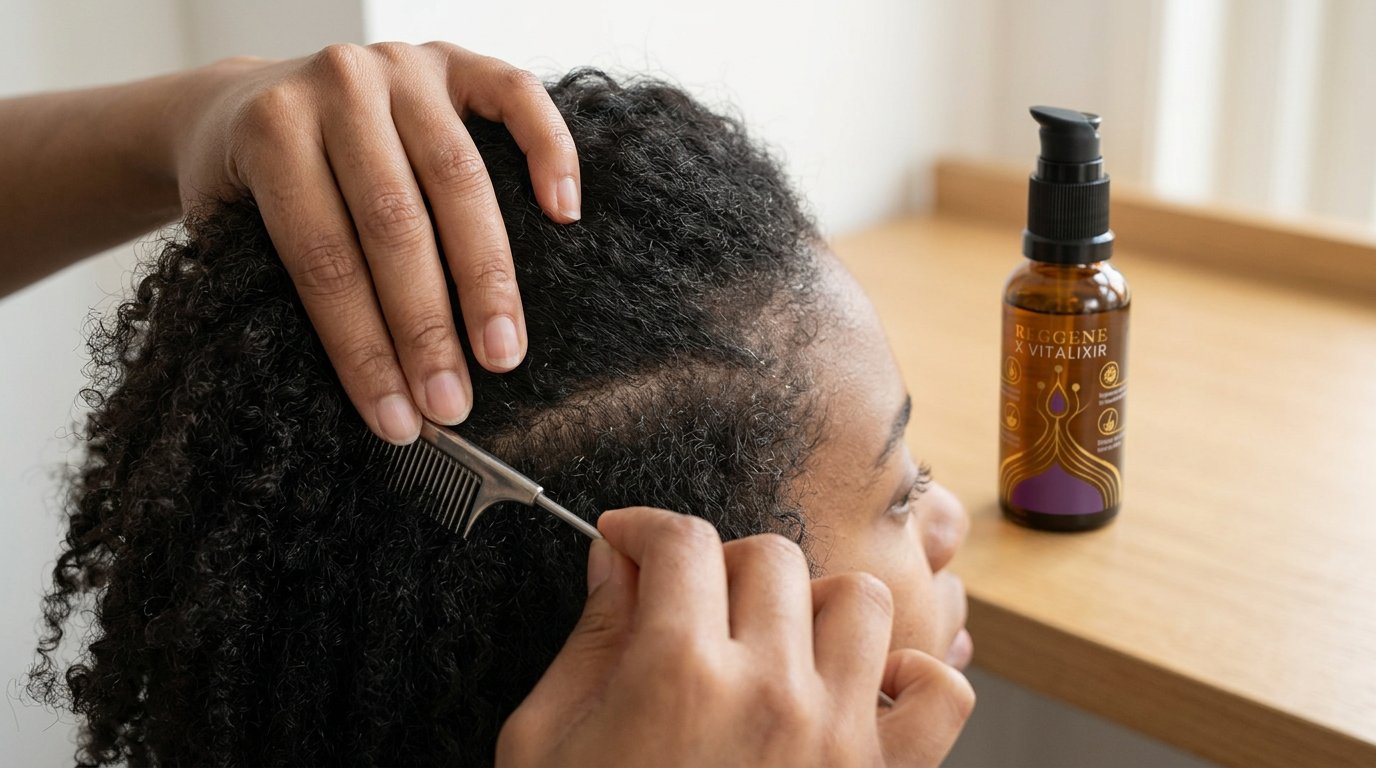
Recommendations should connect your scalp’s condition with your hair type, routine, and goals. After a scalp care consultation, the practitioner may suggest a cleanser, conditioner, or targeted scalp product. The right combination depends on the assessment findings and how your scalp responds to care.
For example, if your current routine leaves residue, the first step may be adjusting how you cleanse rather than adding another product. If your scalp feels dry after washing, the practitioner may discuss a gentler cleansing routine and a conditioner suited to your hair lengths. Hair texture and styling habits matter too: someone who frequently uses styling products may need different cleansing guidance from someone who washes less often.
Ask what each recommendation is intended to do, where to apply it, and how it fits with your existing products. Introduce new products one at a time, following their directions. This makes it easier to notice a reaction and identify which change may be responsible. Mention any previous sensitivity to fragrance or other ingredients before choosing a product.
Don’t assume a scalp product is suitable because it is marketed for facial skin or featured in a spa’s signature relaxation treatment. Products and services can have different purposes and application methods. If massage is suggested, clarify whether it is gentle manual massage or uses a scalp tool, and ask how to clean and handle the tool.
Recommendations may include a home-care routine or a professional treatment, depending on your needs. Ask which signs should prompt you to pause a product, such as new itching or redness, and what to do next. A clear plan explains each product’s purpose, application area, and place in your existing routine, rather than simply adding more products to your shelf.
Professional scalp analysis
A specialist combines a visual examination with your symptom history and routine. This helps distinguish scalp-care observations from signs that need medical assessment.
Scalp Examination
During an examination, the practitioner parts your hair to view the skin across different areas, such as the crown, temples, and nape. They note visible redness, flaking, scaling, sores, and changes around hair follicles. Describe how itching or tenderness relates to washing, styling, or scalp massage. These details add context to the visible findings and your scalp health.
Identifying Scalp Conditions
Specialists assess patterns and symptoms, then consider whether the concern falls within their professional scope. A salon specialist or trichologist can discuss hair and scalp observations, but a medical diagnosis of a scalp condition belongs with a qualified medical professional. For example, persistent scaling with soreness needs a different response from temporary dryness after changing shampoo.
A consultation can identify concerns that warrant medical evaluation, but appearance alone may not establish the cause. A dermatologist may consider your medical history alongside an examination and decide whether further assessment is needed. Describe when symptoms began, where they occur, and whether a new product preceded them. Bring the product name or ingredient list if available.
For a virtual appointment, clear images of the affected area can support discussion, but lighting and hair coverage limit what they show. Avoid applying styling products immediately beforehand if they obscure the scalp. Ask what the specialist observed, what remains uncertain, and which changes should prompt medical care. This gives you a practical record for your next conversation.
For guidance focused on your hair and scalp, book a personalized scalp consultation.
ReggeneX Labs: ReggeneX Vitalixir Hair & Scalp Consultation
ReggeneX Vitalixir Hair & Scalp Consultation offers personalized evaluations and routine recommendations for your hair and scalp concerns. Consider it if thinning, scalp changes, or uncertainty about your current routine have left you unsure what to do next.
The consultation can help you consider how products fit together. Depending on your needs, options include ReggeneX Vitalixir Shampoo, Reggene X Vitalixir Conditioner, and ReggeneX Vitalixir Hair Regrowth Serum. Discuss your goals and existing routine so recommendations reflect your evaluation, rather than adding products without a clear purpose.
For persistent symptoms or sudden hair loss, seek medical care for an assessment. A personalized product consultation supports routine planning but does not replace a medical diagnosis. Contact ReggeneX Labs to discuss a hair and scalp consultation.
Make your next hair-care decision with clarity
Consider what kind of support would be most useful. A scalp care consultation gives you space to discuss your priorities and clarify your next step.
ReggeneX Labs’ team can help you explore how a consultation fits your hair-care goals. Bring the questions that matter most to you and take the conversation at your own pace.
Contact ReggeneX Labs to ask about a consultation. A thoughtful next step can help you feel more informed and confident in your care.
Frequently Asked Questions
Are there any contraindications?
Yes, some scalp conditions, allergies, and current treatments can make particular products or procedures unsuitable. For example, a known reaction to an ingredient matters before using a product that contains it. Tell the practitioner about prescribed scalp treatments and past reactions. If you have an active medical condition or are unsure how a new product fits your care, discuss it with a healthcare professional first.
What scalp problems require a dermatologist rather than a salon consultation?
Choose a dermatologist for symptoms such as painful sores, oozing or crusting areas, spreading inflammation, or hair loss accompanied by scalp changes. A salon consultation can support cosmetic hair care, but it cannot establish a medical diagnosis. A dermatologist can assess whether symptoms need medical treatment, especially if they persist, worsen, or appear alongside sudden or patchy hair loss.
What are the risks of scalp treatments recommended during a consultation?
Possible risks include irritation, dryness, discomfort, or an allergic reaction to a product. Exfoliation or massage may also aggravate skin that is already sore or inflamed. Follow product directions, and don’t combine several new treatments at once, as that can make reactions harder to trace. Stop using a product if a concerning reaction develops, and seek medical advice for persistent or worsening symptoms.
How can I find a qualified scalp care specialist near me?
Choose a specialist whose professional role fits your concern and who has relevant training in hair and scalp care. A dermatologist assesses medical concerns, while a trichologist or salon specialist can discuss hair and scalp care.