The telogen effluvium recovery timeline, month by month, can feel slower than expected: shedding often begins 2-3 months after a trigger, usually eases over 3-6 months once it’s addressed, and visible fullness may take 6-12 months to return. That delay reflects the hair cycle, not necessarily a stalled recovery; a physical stressor, illness, childbirth, medication change, or nutritional issue can shift hairs into a resting phase before they shed, so the cause may come before the first noticeable change. This guide explains what telogen effluvium is and how shedding and regrowth may change month by month, then explores how a health history, scalp assessment, and relevant tests can help identify possible triggers, and how care focuses on addressing the cause while supporting healthy hair as it returns.
Key Takeaways
- Telogen effluvium often follows a physical or emotional stressor, illness, childbirth, or a medication change. Consider what may have changed before the shedding began.
- Recovery unfolds gradually: according to MedlinePlus, shedding decreases over 6 to 8 months, while visible fullness can take longer to return.
- A health history, scalp examination, and targeted blood tests can help identify possible triggers such as iron deficiency or thyroid dysfunction.
- Addressing the underlying cause is central to care; a personalized hair and scalp consultation can help shape a supportive routine.
What is Telogen Effluvium?
Telogen effluvium is temporary, diffuse hair loss linked to a disruption in the hair growth cycle. Normally, around 10-15% of hairs are in the resting, or telogen, phase. After a physical or emotional stressor, more follicles can enter this phase early. The hairs then shed after a delay, so the trigger may happen months before you notice thinning. The resting phase lasts 3-4 months, while the growth phase can last 2-5 years.
Common triggers include childbirth, major surgery, hospitalization, significant illness, rapid weight loss, medication changes, iron deficiency, and thyroid dysfunction. Psychological stress can also be relevant, especially when it coincides with physical strain, disrupted sleep, or reduced food intake. When hair loss begins, consider events from the preceding 2-4 months. About 33% of cases have no identifiable direct cause, so a clear trigger may not emerge.
- Physical: surgery, hospitalization, childbirth, or significant illness.
- Mental and emotional: sustained stress or a major distressing event.
- Nutritional: rapid weight loss or iron deficiency.
- Medication-related: a recent medication change.
Hair shedding can continue if an underlying trigger persists or returns. Ongoing illness, repeated weight loss, or an untreated deficiency, for example, may keep disrupting the hair cycle. Several factors can also overlap, such as stress and reduced food intake. Identifying the likely cause matters because recovery partly depends on whether the trigger can be addressed.
During recovery, regular meals and varied, nourishing foods support general health as the hair cycle resets. Avoid restrictive dieting after rapid weight loss, and discuss suspected iron or thyroid problems with a healthcare professional. Don’t start supplements or stop prescribed medication based on shedding alone. Telogen effluvium is a form of alopecia, but its pattern and possible triggers differ from other causes of hair loss.
Month-by-month shedding and regrowth timeline
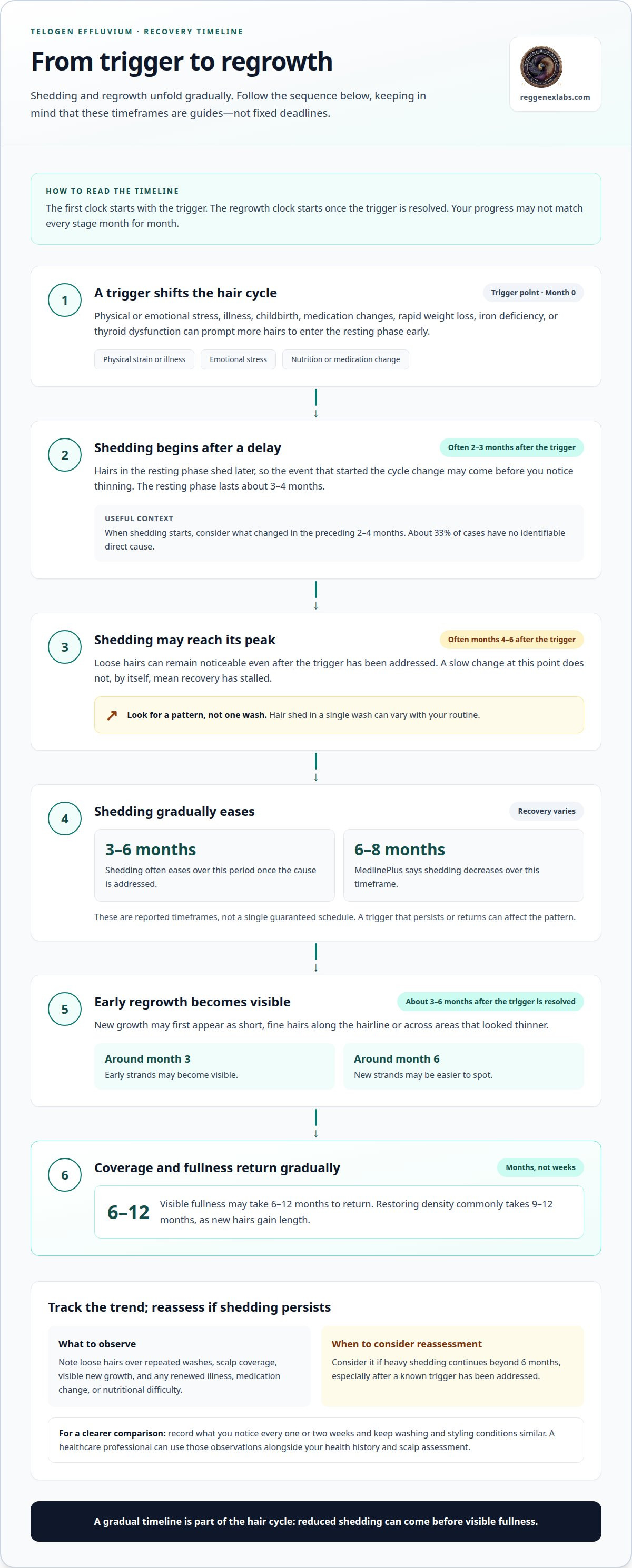
Shedding often peaks around months 4-6 after the trigger, then begins to ease. MedlinePlus says telogen effluvium shedding decreases over 6 to 8 months. Early regrowth may appear within 3-6 months after the trigger is resolved, while restoring density commonly takes 9-12 months. A telogen effluvium recovery timeline month by month helps you understand these changes as stages, not fixed deadlines.
Shedding and Regrowth Stages
This timeline describes the shift from increased shedding to renewed growth. In the early months, loose hairs may remain noticeable even after the trigger has been addressed. Months 3-6 can bring early regrowth, followed by gradual changes in coverage. Knowing the sequence helps you interpret what you see without expecting each month to look dramatically different.
Signs of Slowing Shedding
Shedding may be easing if you notice fewer loose hairs over repeated washes, rather than an abrupt stop. Record what you observe every one or two weeks, keeping washing and styling conditions similar. Hair shed during a single wash can vary with your routine, so look for a pattern rather than relying on one count. Ongoing physical, emotional, or nutritional triggers can affect that pattern.
Visible Regrowth Signs
New growth may first look like short, fine hairs along the hairline or across areas that appeared thinner. Around month 3 after the trigger is resolved, early strands may become visible; around month 6, they may be easier to spot. By month 12, density can still be returning as new hairs gain length. A telogen effluvium recovery timeline month by month can help you compare these gradual changes.
When to Reassess Progress
Consider reassessment if heavy shedding continues beyond 6 months, especially after a known trigger has been addressed. Persistent shedding may signal an ongoing trigger or another cause that needs evaluation. Note changes in scalp coverage, new growth, and any renewed illness, medication change, or nutritional difficulty. These observations can help a healthcare professional interpret your progress and decide whether further evaluation is appropriate.
Medical tests for possible underlying causes
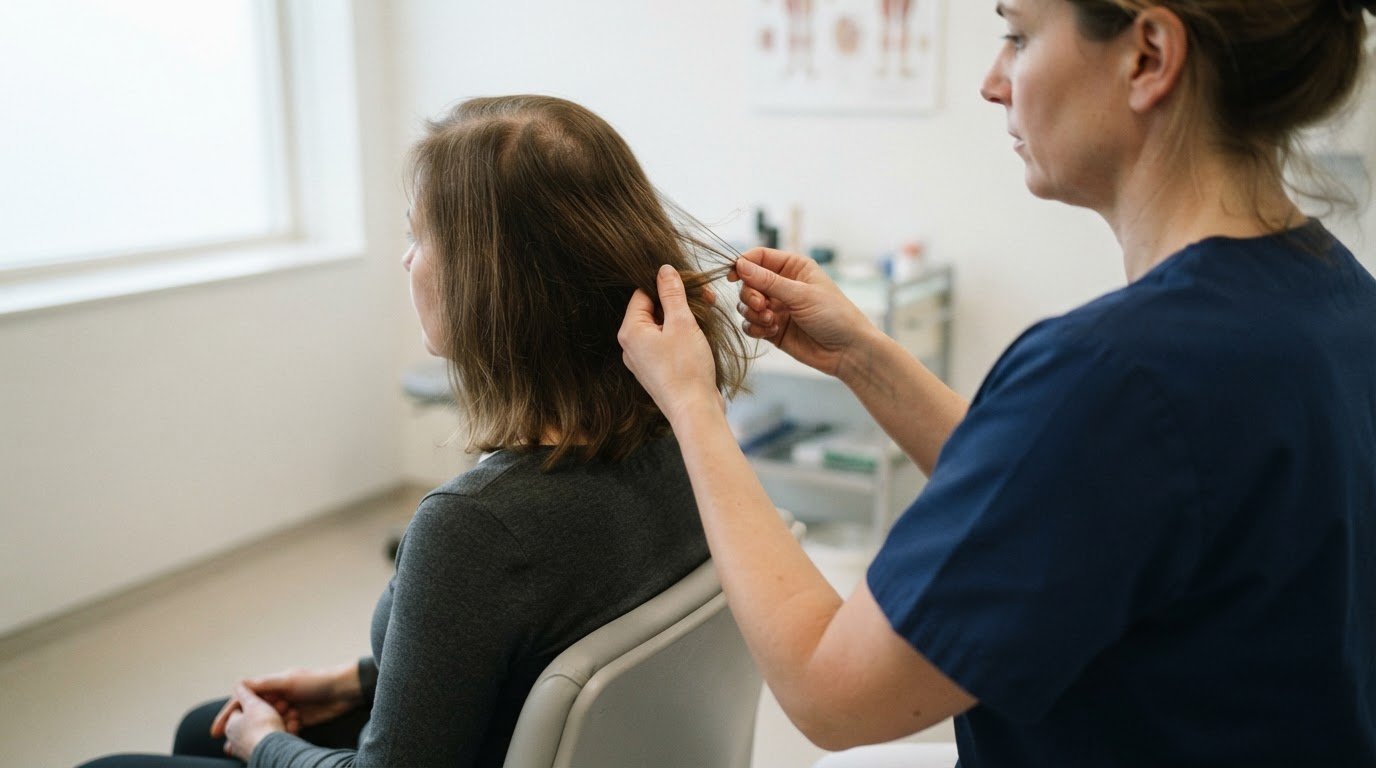
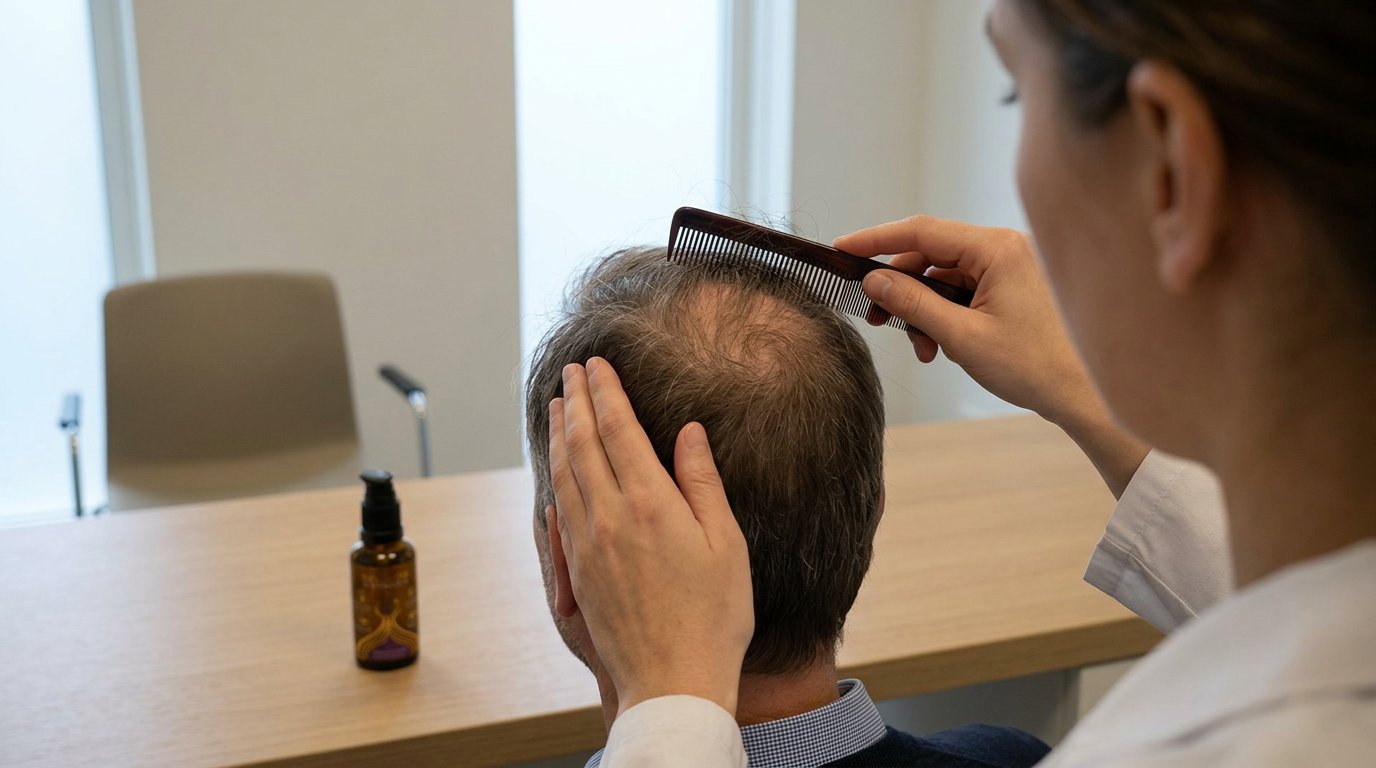
Telogen effluvium is assessed through your shedding pattern, scalp examination, and health history. A clinician may ask about illness, medication changes, weight loss, diet, and events during the 6-12 months before thinning began. This helps distinguish diffuse shedding from other forms of alopecia. Examination also checks whether the scalp looks normal and whether regrowth is visible.
A hair pull test can help assess active shedding. The clinician grasps approximately 20-60 hairs near the scalp; a positive result occurs when more than 10% of grasped hairs come away. A trichogram examines plucked hairs, with greater than 25% in the resting phase establishing telogen effluvium. These findings are interpreted alongside your history, not in isolation.
Blood tests look for treatable contributors rather than proving telogen effluvium alone. Baseline testing may include ferritin, thyroid-stimulating hormone, and a complete blood count. Vitamin D and vitamin B12 may be considered when your dietary history suggests a deficiency. Ferritin below 30 ng/mL has been associated with telogen effluvium, but a result needs clinical context.
Iron status matters because low ferritin can indicate depleted iron stores, while thyroid-stimulating hormone helps assess thyroid function. A complete blood count can identify blood abnormalities relevant to your overall health. If your diet restricts protein or other nutrients, share that during an assessment. It can help interpret results and identify nutritional gaps without assuming that supplements are needed.
A scalp biopsy may be considered when examination and blood work leave the cause unclear or suggest another hair disorder. It examines a small scalp sample under a microscope, helping assess follicle patterns and distinguish diagnoses. If shedding continues beyond 6 months, a systemic evaluation may be appropriate. The test choice depends on your symptoms, examination, and earlier results.
Treatment options and nutritional support
Treatment for telogen effluvium focuses first on active causes, while temporary shedding runs its course. Nutritious eating and gentle hair care support general health as follicles return to growth.
Treating Underlying Causes
Addressing an underlying cause gives recovery a better foundation. A clinician may treat an identified iron or vitamin D deficiency, review a medication change, or assess a thyroid or hormonal issue. If illness or rapid weight loss is still affecting your health, care should also account for that ongoing strain. Correcting a trigger can help the hair cycle return toward its usual pattern.
No treatment has been proven effective for active telogen effluvium itself. If shedding persists after its trigger is corrected, a dermatologist may consider topical minoxidil off-label. Minoxidil can cause an initial increase in shedding during the first 2-6 weeks of use, so discuss this possibility before starting. A clinic can also assess whether persistent thinning suggests another cause requiring a different treatment plan.
Nutritional Support and Self-Care
Consistent nutrition and gentle styling support overall hair health during recovery. A general-health protein minimum is 0.8 grams per kilogram of body weight daily; hair-focused guidance also cites 40-60 grams per day. Your needs depend on your body and diet, so address suspected deficiencies with a healthcare professional rather than taking supplements without guidance.
For home care, choose a gentle sulfate-free shampoo 2-3 times per week, and avoid tight ponytails, buns, or braids while shedding continues. Most adults need seven to nine hours of sleep nightly, which supports general wellbeing during physical or emotional stress. These steps don’t directly resolve every cause, but they reduce avoidable strain while the underlying issue is addressed. Keep the routine steady, nourishing, and gentle.
ReggeneX Labs
ReggeneX Labs can help you build a consistent hair-care routine while you track shedding and regrowth. The ReggeneX Vitalixir Hair & Scalp Consultation includes a personalized assessment and routine recommendations, giving you a chance to discuss your goals and current regimen. ReggeneX Vitalixir Shampoo, ReggeneX Vitalixir Conditioner, and ReggeneX Vitalixir Hair Regrowth Serum are options in its hair-care range.
These products support a cosmetic care routine; they don’t identify or treat the medical cause of telogen effluvium. If shedding continues or you suspect an underlying health issue, seek medical evaluation alongside your hair-care planning. For a routine tailored to your needs, contact ReggeneX Labs.
Choose a considered next step
Your next step can reflect what matters most beyond shedding: a calmer-feeling scalp, a simpler routine, or greater ease when styling your hair. Naming that priority can make your choices feel more personal and purposeful. You don’t need to decide every detail at once; start with the kind of care you’d like to make part of daily life.
The ReggeneX Labs team can help you consider that direction through its hair and scalp guidance. If you’d like to discuss your hair-care priorities, contact ReggeneX Labs. Take the next step at your own pace, with care that feels right for you.
Frequently Asked Questions
What should you actually do right now if you're shedding?
Briefly record when you first noticed shedding, recent health changes, and any new medicines. Take a clear scalp photo in consistent lighting, keeping your usual parting so future images are comparable. Handle wet hair gently and avoid tight styles that pull at the roots. Don’t stop prescribed medication or begin supplements without discussing them with a healthcare professional.
When to See a Doctor?
Arrange an assessment if hair loss appears in distinct patches, your scalp becomes painful or inflamed, or you feel unwell alongside the shedding. These features deserve attention because they may not fit a typical diffuse-shedding pattern. Bring a list of medicines and relevant health changes to the appointment. A clinician can examine your scalp and decide whether further evaluation is appropriate.
Does postpartum hair loss grow back?
Postpartum hair loss commonly improves as the body adjusts after pregnancy, and hair often grows back. The experience can feel different if you’re also managing limited sleep, changes in eating, or recovery from childbirth. Mention persistent or unusual shedding during postpartum care, especially if you notice patchy loss or scalp symptoms. A clinician can consider your overall health rather than attributing every change to childbirth.
How Long Until Hair Grows Back?
Hair returns gradually, and the time needed for a fuller appearance depends on the cause, whether it has been addressed, and how quickly new strands grow. Shedding may decrease before your hairstyle looks noticeably fuller. Focus on gradual change rather than a single date, and discuss ongoing thinning with a healthcare professional.
How can I tell if it's something else?
Look at the shedding pattern and scalp condition, not just the amount of hair in your brush. Distinct bare patches, broken hairs, scaling, redness, or discomfort can point away from typical diffuse shedding. Hair that seems to thin mainly along a particular part may also need closer assessment. A scalp examination can help distinguish these patterns.
How do you know recovery has started?
Short new strands with fine, tapered ends may help distinguish fresh growth from hairs broken by styling or friction. Check a few areas under good lighting, and avoid pulling or repeatedly testing strands. A single hair or photo can’t establish a clear trend, so compare observations over time. If you’re unsure whether hairs are new growth or breakage, mention that during an assessment.